

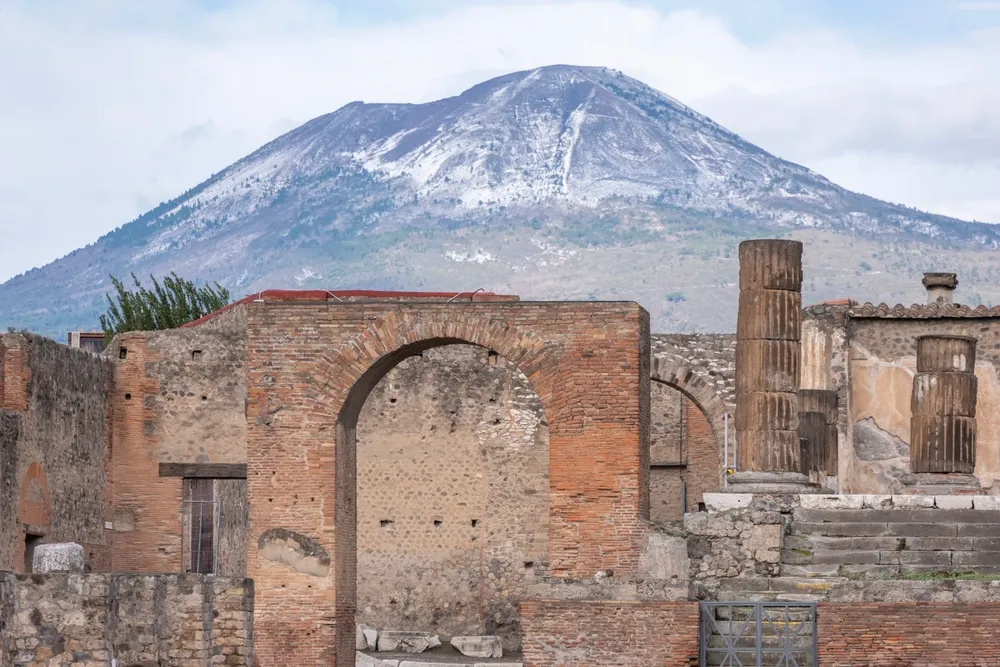
Here’s a day trip itinerary that most people don’t even know exists — and it’s genuinely one of the best combinations I’ve ever recommended for Italy travellers who want something beyond the standard archaeological circuit. Pompeii is extraordinary on its own. Mount Vesuvius adds a visceral dimension to the story. But add a leisurely three-course lunch at an organic winery planted in the volcanic soil of Vesuvius itself, with a sommelier walking you through four regional wines including the legendary Lacryma Christi, and you have something that goes well beyond sightseeing.
This guide is for travellers who want history, natural drama, and the pleasure of a proper Italian lunch — all in a single day from Rome.
Why Combine Pompeii, Vesuvius, and a Winery?
The Story Behind Vesuvian Wines
The connection between wine and Vesuvius goes back almost as far as Pompeii itself. The volcanic soils on the slopes of Vesuvius are extraordinarily fertile, rich in minerals, and have produced distinctive wines since ancient Roman times. The most famous of these is the Lacryma Christi del Vesuvio DOC — literally ‘Tears of Christ’ — a wine that has been made on these hillsides for millennia. The name traces back to a legend about tears falling from heaven onto the slopes of the volcano, blessing the soil.
Today, wineries like Cantina del Vesuvio (operating since 1930), Bosco de’ Medici, and Casa Setaro produce small quantities of wines from indigenous grape varieties including Piedirosso and Caprettone, grown on organically farmed volcanic terroir that can’t be replicated anywhere else on earth. Visiting one of these estates — walking the vines, hearing the story from a family winemaker or sommelier, then sitting down to a farm-to-table lunch with the wines — is a genuinely special experience.
How the Day Is Structured
Most Pompeii and Vesuvius winery day trips from Rome depart from Roma Termini by high-speed train, arriving in Naples in just over an hour. A private coach then shuttles the group to Pompeii for a 2-hour archaeologist-guided tour with skip-the-line entry. After the ruins, the coach drives to the winery — typically located on the slopes of Vesuvius, just a few kilometres from Pompeii — for the vineyard walk, wine tasting, and lunch. Following the meal, the group is driven to a Vesuvius viewpoint for panoramic photographs and a digestif of Neapolitan coffee or limoncello. Return to Naples for the high-speed train back to Rome typically arrives in the evening.
The total day runs approximately 11–12 hours. It’s a full day, but it’s a varied one — you’re never doing the same thing for more than 2 hours at a stretch, which makes it feel much more energising than a standard sightseeing marathon.
What the Winery Experience Includes
The winery portion of the day is where this trip really distinguishes itself. After the intensity of Pompeii, arriving at a vineyard tucked into the green slopes of Vesuvius feels like exhaling. A typical programme includes a guided walk through the vineyard rows — your guide will explain the volcanic terroir, the organic farming practices, and the history of winemaking in this unique appellation. You’ll then be seated for lunch: typically antipasti of local cured meats and fresh cheeses, a pasta course made with regional ingredients, and dessert, all paired with four wines from the estate.
The wines themselves are revelatory for those unfamiliar with Campanian viticulture. The Lacryma Christi white — made from Caprettone grapes — is crisp and minerally, with a freshness that comes directly from the volcanic soil. The red, made from Piedirosso, is earthy, aromatic, and deeply characterful. A good sommelier will walk you through each pour with context about the grape varieties, the vintage, and what makes this specific terroir so singular.
Mount Vesuvius — What to Expect at the Viewpoint
Vesuvius is the backdrop for everything you see at Pompeii — the looming presence that makes the ruins feel simultaneously beautiful and terrifying. Getting closer to it, even briefly, adds a dimension to the day that you simply can’t get from reading a guidebook.
Some Pompeii and Vesuvius winery tours from Rome include a stop at a panoramic viewpoint near the crater rim, from which you can look out over the Bay of Naples, the curve of the coastline, and on a clear day, even Capri in the distance. The combination of that view with a glass of limoncello made from local fruit is, candidly, one of the more civilised moments available to a tourist anywhere in Europe.
Four Reasons This Day Trip Stands Out
The winery portion adds a sensory, convivial element that most archaeological day trips completely lack — you leave not just educated but genuinely nourished, both physically and in terms of understanding the region’s culture.
Travelling by high-speed train rather than coach for the Rome-Naples leg cuts travel time significantly and is far more comfortable, giving you more energy for the day ahead.
The archaeologist guide at Pompeii on these tours tends to be a step above standard group tours — operators who include a proper winery lunch tend to attract a higher-end clientele and invest accordingly in their guides.
Group sizes on winery day trips are typically smaller (often 8–16 people) than standard coach tours, creating a much more relaxed and personal atmosphere throughout the day.
Practical Planning for This Trip
When Is the Best Time of Year?
The Pompeii and Vesuvius winery day trip from Rome works well in spring (April–June) and autumn (September–October). In spring, the vineyard is green and the weather is warm but not oppressive. Autumn is particularly beautiful — harvest season at the winery adds an extra layer of interest, the light over the Bay of Naples is golden, and Pompeii itself is far less crowded than in peak summer.
Summer (July–August) is the most popular time for Italy travel, but it comes with caveats: temperatures at Pompeii can reach 35–38°C, making the 2-hour archaeological walk genuinely taxing. If you’re visiting in summer, wear light clothing, bring sun protection, and drink water constantly. The winery lunch provides welcome shade and respite in the middle of the day.
What to Wear and Bring
Pompeii requires sturdy walking shoes — the ancient basalt cobblestones are uneven and will destroy ballet flats or sandals within an hour. Comfortable trousers or breathable shorts are fine; there’s no dress code at the archaeological site. For the winery lunch, smart casual is appropriate — you’re eating in a working vineyard, not a Michelin-starred restaurant, but the experience has an elegance to it that deserves a little thought.
Bring a small bag for essentials: water bottle (drinkable fountains are available inside Pompeii), sunscreen and a hat for summer visits, a light layer for the return coach journey in the evening, and a good camera. The view from the Vesuvius viewpoint is genuinely photogenic and worth having a charged phone for.
Booking Tips and What to Look For
When booking a Pompeii and Vesuvius winery day trip from Rome, pay close attention to what’s included. The best packages bundle the round-trip high-speed train from Roma Termini, the private shuttle between Naples and Pompeii, skip-the-line entry to the archaeological site, the archaeologist guide, the vineyard walk, the sommelier-led tasting, and the three-course lunch — all in one price. Some operators charge separately for the winery lunch or the train, which makes price comparison tricky.
Look for tours that specify the winery by name — operators confident enough to name their vineyard partners are generally offering a better and more consistent product than those who vaguely mention ‘a local winery.’ Read recent reviews carefully, focusing especially on comments about the guide quality at Pompeii and the lunch at the winery. These two elements make or break the experience.
Conclusion
The Pompeii and Vesuvius winery day trip from Rome is the trip for travellers who want more than a checklist. Yes, you’ll see Pompeii — brilliantly, with an expert archaeologist showing you things you’d have missed entirely. But you’ll also eat well, drink well, and end the day at a volcanic viewpoint with a limoncello in hand, wondering why you didn’t discover this combination sooner. It’s history, wine, and volcano in one epic day — and it lives up to every word of that description.