

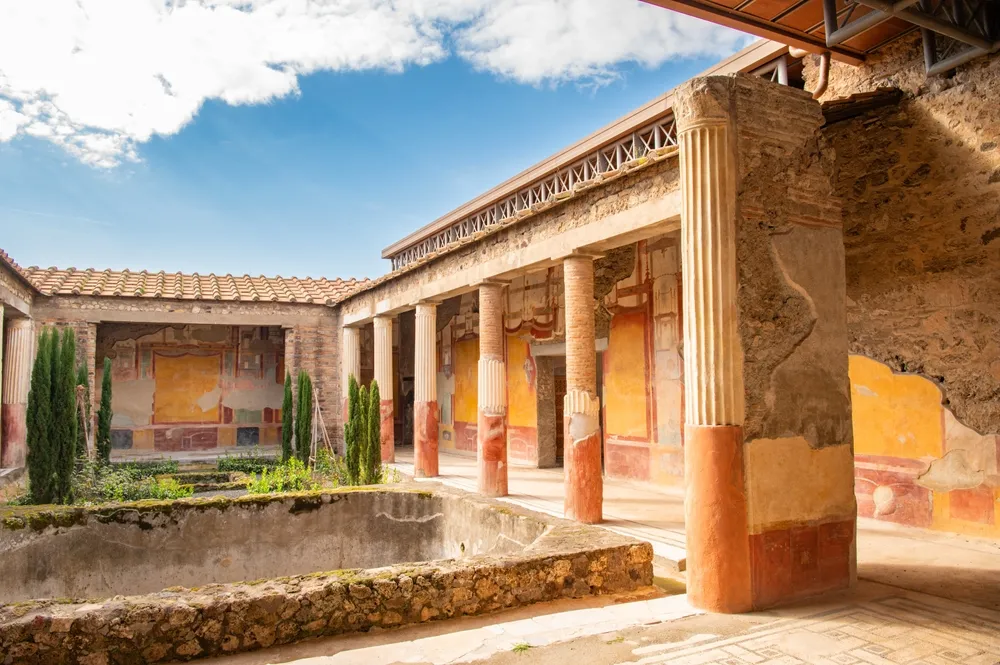
Let me be honest with you from the start: this is one of the most ambitious day trips you can attempt from Rome, and it rewards the brave. In a single day, you’re looking at two thousand years of Roman history buried under volcanic ash, a medieval clifftop town that smells of lemons and sea salt, and some of the most jaw-dropping coastal scenery in the world. I’ve been helping travellers plan Italian itineraries for over a decade, and the Rome to Pompeii, Sorrento, and Amalfi Coast day trip is the one people tell me about most when they come back. Not because it was relaxing — it isn’t — but because it’s an extraordinary, layered experience that somehow fits into 13 hours.
The trick is knowing how it works, what to expect, and how to avoid the pitfalls that turn a memorable adventure into an exhausting slog. This guide covers all of it.
Why This Three-Stop Day Trip Is Worth the Long Hours
The Logic of Combining Pompeii, Sorrento, and the Amalfi Coast
These three destinations sit within a relatively compact geographic area south of Naples, making them logistically feasible to combine — but only if you’re travelling by private vehicle or organised coach, not independently by public transport. The Amalfi Coast road (the SS163) is one of the most celebrated and perilous drives in Italy: narrow, winding, and carved into clifftops above the Tyrrhenian Sea. Navigating it by coach while someone else handles the hairpin bends is a completely different experience from attempting it in a rental car.
Most full-day tours from Rome to Pompeii, Sorrento, and the Amalfi Coast depart from Piazza del Popolo at around 6:30–7:00 AM and return to Rome between 8:00–9:30 PM. Yes, that’s a long day. But you’ll have covered an ancient Roman city, a glittering coastal town, and a stretch of coastline that routinely tops lists of the most beautiful drives in Europe. That’s a fair trade for a 14-hour day.
What the Itinerary Actually Looks Like Hour by Hour
Departure from Rome is early — typically 6:30 AM from Piazza del Popolo. The journey south through the Italian countryside takes about 2.5–3 hours, during which a good tour leader will give you context about what you’re about to see. Pompeii is usually the first stop, with a 2-hour guided exploration led by a local archaeologist beginning around 10:00–10:30 AM. You’ll cover the main circuit — Forum, Amphitheatre, the House of the Faun, the Stabian Baths, and the plaster casts — before breaking for free time or lunch.
After Pompeii, the coach heads toward the coast. The order of stops can vary: some tours visit Sorrento before driving the Amalfi Coast road toward Positano; others reverse this depending on seasonal traffic conditions. Either way, you’ll spend time in Sorrento — typically 45 minutes to an hour of free time in the town’s piazzas and lemon-scented streets — before your driver navigates the spectacular coastal road. The drive itself is part of the experience: cliffside views, pastel-coloured villages clinging to rock faces, and the deep blue sea below.
The Private Pompeii and Amalfi Coast Tour from Rome
For those who want the same itinerary with a more personalised experience, a private Pompeii and Amalfi Coast tour from Rome is the premium option worth considering. Rather than sharing a coach with 40–50 other travellers, you travel in a smaller vehicle (typically a Mercedes van or similar) with a dedicated driver and guide. The private format allows for flexibility — if you want to linger longer in Positano, or add a stop at a scenic viewpoint for photographs, your guide can accommodate that.
Private tours cost more — sometimes significantly more — but for couples, families, or small groups who value flexibility and personal attention over price, the experience is meaningfully different. You also get the logistical benefit of hotel pick-up and drop-off rather than meeting at a central departure point.
Sorrento — What to Expect and How to Make the Most of Your Free Time
Sorrento gets roughly 45–60 minutes on most day trip itineraries, which is enough to catch the essence of the town but not enough to linger. Use the time well: walk to the terrace above Marina Grande for views of Capri and the Bay of Naples, browse the artisan ceramics and limoncello shops on Corso Italia, and — if you can fit it in — sit at a café and order a coffee with a view. Sorrento’s main square, Piazza Tasso, is the logical meeting point if your group is given free roaming time.
In low season (roughly November through March), some tours swap Positano for Sorrento as the coastal stop, since Positano’s tourist infrastructure is largely closed in winter. Summer visits to Positano are undeniably beautiful — pastel buildings stacked above a beach, boutique shops, and a beach-town energy — but the town can become genuinely overcrowded from July through August, and the narrow streets can be overwhelming at peak hours.
Four Things to Know Before You Book This Trip
This is a 12–14 hour day. Wear comfortable shoes, bring layers for the coastal breeze, and set realistic expectations about your energy levels by evening — but know that virtually everyone says it was worth it.
The Amalfi Coast road is subject to traffic delays, especially in summer. Itineraries may be adjusted or reversed; trust your operator’s judgment on routing, as local drivers know the road conditions far better than any app.
Book well in advance for summer travel — tours with small group sizes (under 18 people) fill up weeks ahead. If you want the private Pompeii and Amalfi Coast tour from Rome, book even earlier.
Children under 18 must carry a government-issued ID or passport at Pompeii; entry may be refused without it. This applies to all visitors regardless of nationality.
Making the Amalfi Coast Portion Count
The Drive Itself Is the Experience
Even if your stop on the Amalfi Coast is limited to a photographic pause and a gelato in Positano, the drive along the SS163 is genuinely unmissable. The road hugs the edge of cliffs with the sea hundreds of metres below, passing through towns like Amalfi, Atrani, and Ravello before winding down into Positano’s famous hillside. Your driver — and the best operators hire experienced local drivers who know every curve — will find viewpoints for photographs that you’d never spot on your own.
In shoulder season, the drive is even more pleasurable. Autumn light over the Amalfi Coast (September–October) is particularly beautiful, with warm colours, fewer crowds, and cooler temperatures than August.
Positano vs. Sorrento: Which Coastal Stop Adds More?
This question comes up often, and the honest answer is that they offer quite different things. Sorrento is a proper town — it has depth, character, a genuine local life that exists alongside tourism. An hour there feels purposeful. Positano, meanwhile, is spectacular to look at from above and from the road, but the town itself is primarily boutique shopping and beachside dining. In the limited time a day trip allows, the visual impact of Positano — particularly the drive toward it — is arguably its greatest value.
Some tours include both stops. When they do, expect roughly 45 minutes in each, with the coach navigating between them along the coastal road. This works well in spring and autumn; in high summer, traffic can reduce your time at each stop significantly.
What You’ll See in Pompeii — A Brief Primer
For a trip that includes this much ground, a little preparation for the Pompeii portion pays dividends. The guided section covers the Forum (the civic and religious heart of the ancient city), the Stabian Baths (the oldest in Pompeii, with separate sections for men and women), the House of the Faun (one of the largest private homes in the ancient world, with extraordinary mosaic floors), and the haunting plaster casts of victims preserved in their final positions by the volcanic ash. The archaeologist guide brings these stops to life with stories and context that transform a field of ruins into a vivid, breathing city.
Conclusion
The Rome to Pompeii, Sorrento, and Amalfi Coast day trip is not for the faint-hearted or the sleep-deprived. But if you’re the kind of traveller who wants to squeeze every possible experience out of an Italy itinerary, this is the day that delivers. Pompeii alone would justify the journey. Add the Amalfi Coast and Sorrento, and you’ve created one of those days that you’ll be describing to friends for years. Pack your walking shoes, charge your phone, and get on the bus.