Pompeii vs Herculaneum: Which Should You Visit?

Pompeii and Herculaneum were buried by the same eruption in 79 AD, but they make very different visits. This guide compares the two on size, preservation, crowds, time, and price, so you can pick the right one, or see both.

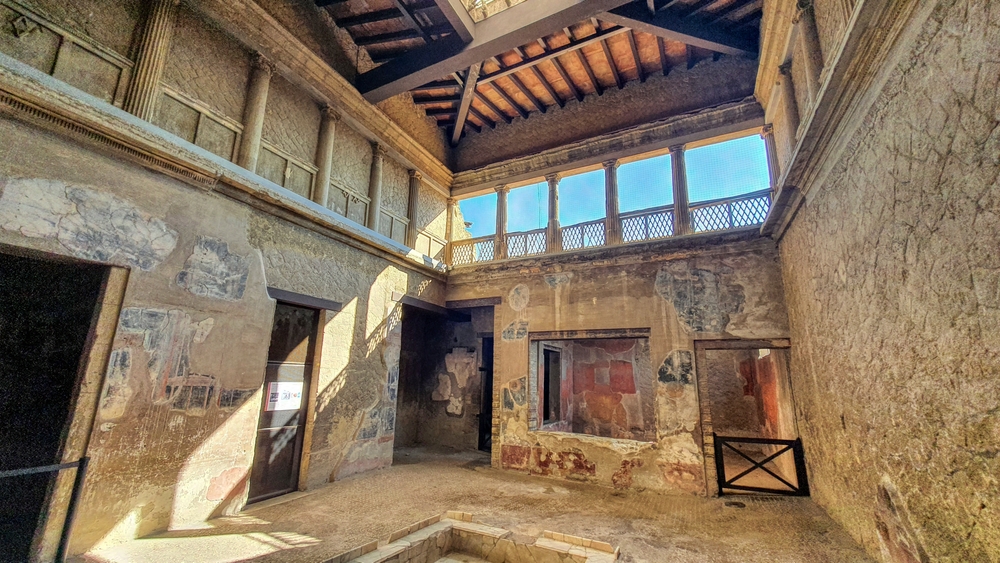
Preserved interior of a house in Herculaneum

Pompeii or Herculaneum?

If you're looking for a short answer:

Choose Pompeii if

You want scale, famous landmarks, and the classic ruins everyone talks about.

Choose Herculaneum if

You want scale, famous landmarks, and the classic ruins everyone talks about.

Pompeii vs Herculaneum at a Glance

Features Pompeii €55 Herculaneum €55 Combo (Both) from €100
Best for First-time visitors, scale Detail, fewer crowds Seeing it all
Site size Huge (~163 acres) Compact (~12 acres) Both
Time needed 3–4 hours 1.5–2 hours A full day
Preservation Very good Exceptional
Frescoes & mosaics
Skip-the-line tickets
Nearest train stop Pompei Scavi Ercolano Scavi Both on one line
Ticket valid for 1 day 1 day 48 hrs

How to Choose

Most travelers decide based on three things: time, crowds, and the kind of visit they want. If your schedule is tight, Herculaneum is easy to cover in a morning, while Pompeii rewards a longer, slower walk. If you dislike crowds, Herculaneum stays calm even in summer. And if you love spotting small details, like carbonized furniture and painted shopfronts, Herculaneum brings you closer, while Pompeii wins on sheer scale and famous landmarks. There is no wrong answer here. Both sites were buried by the same eruption, and each is remarkable in its own way. The only real mistake is rushing both into one tired afternoon and enjoying neither.

Short on Time

If your trip is packed, Herculaneum is the easy win. It is compact enough to enjoy in a single morning, with the main houses and baths close together. Pompeii asks for more, usually three to four hours, and a full day if you want to see it properly. So when the clock is tight, Herculaneum gives you a complete, satisfying visit without the rush.

Hate Crowds

Crowds can shape your whole day, and this is where the two sites differ most. Pompeii is one of Italy's busiest attractions, with thousands of visitors and large tour groups, especially from late morning. Herculaneum stays calm even in peak season, drawing a small fraction of those numbers. If you want quiet lanes and room to take photos, Herculaneum is the gentler choice.

Love Detail

For close-up detail, Herculaneum is hard to beat. The deep, fine ash that buried it sealed things Pompeii lost, including wooden beams, staircases, upper floors, and even carbonized food and furniture. You can still see original woodwork resting in place. Pompeii wins on sheer scale and famous landmarks, but for intimate, everyday detail, Herculaneum brings you a step closer to Roman life.

Ready to Explore the Ruins?

Whether you pick one site or both, booking ahead means skip-the-line entry and a smoother day.

A Closer Look at Each Site

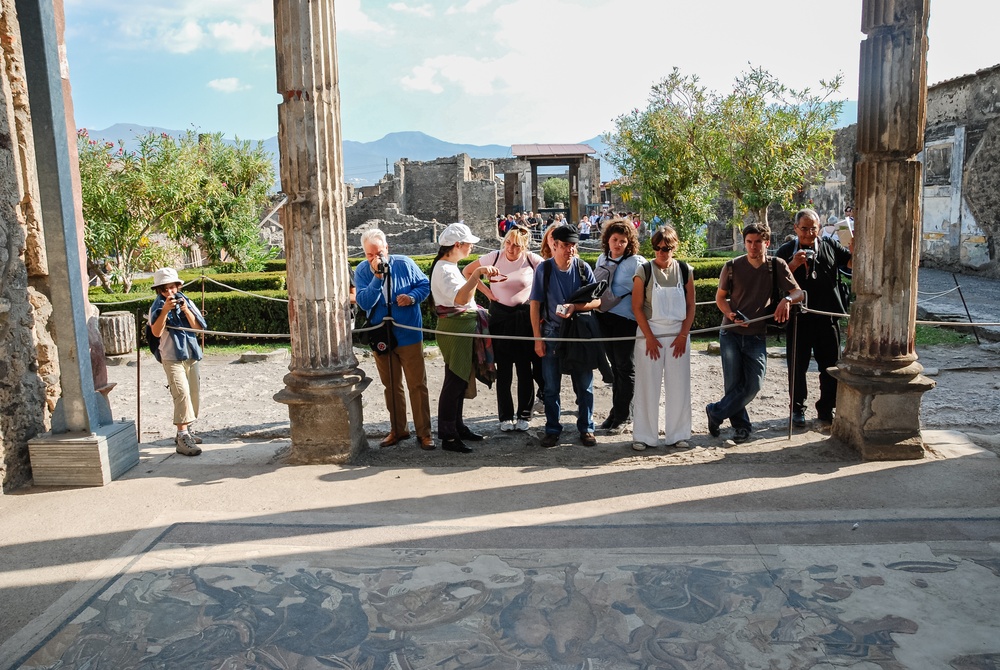
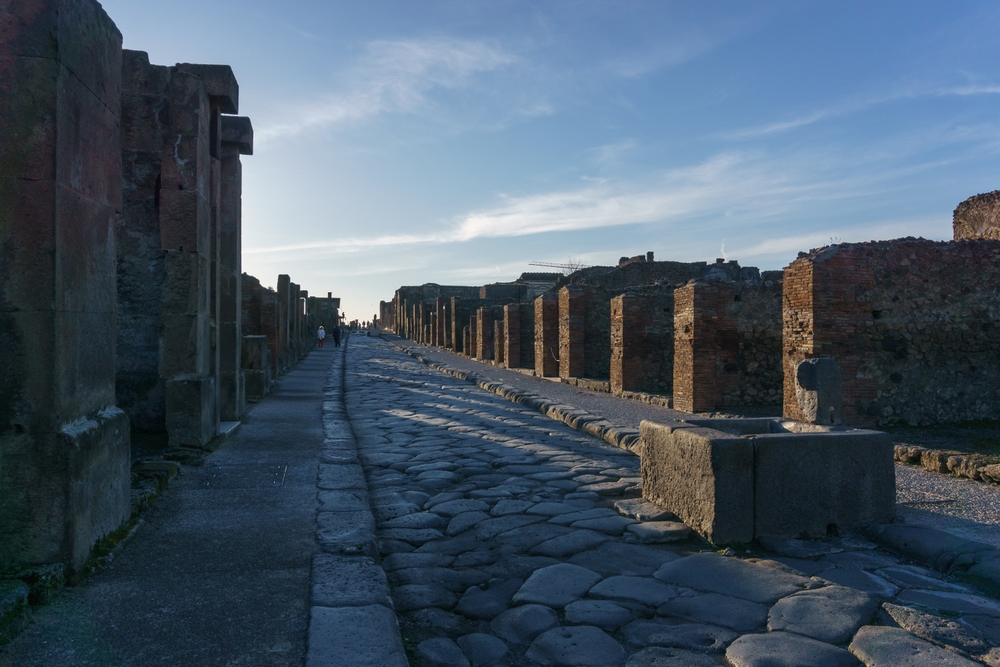
Ruined street and buildings in Pompeii

Pompeii Highlights

Pompeii's must-sees include the Forum, the House of the Faun, and the grand amphitheatre. You can walk whole streets lined with shops, homes, and temples, then step inside painted villas and the old bath houses. The plaster casts of victims, caught in their final moments, make the eruption feel startlingly real. With its sheer size and famous landmarks, Pompeii is the fuller, more dramatic city of the two, and the one most people picture when they imagine the ruins.


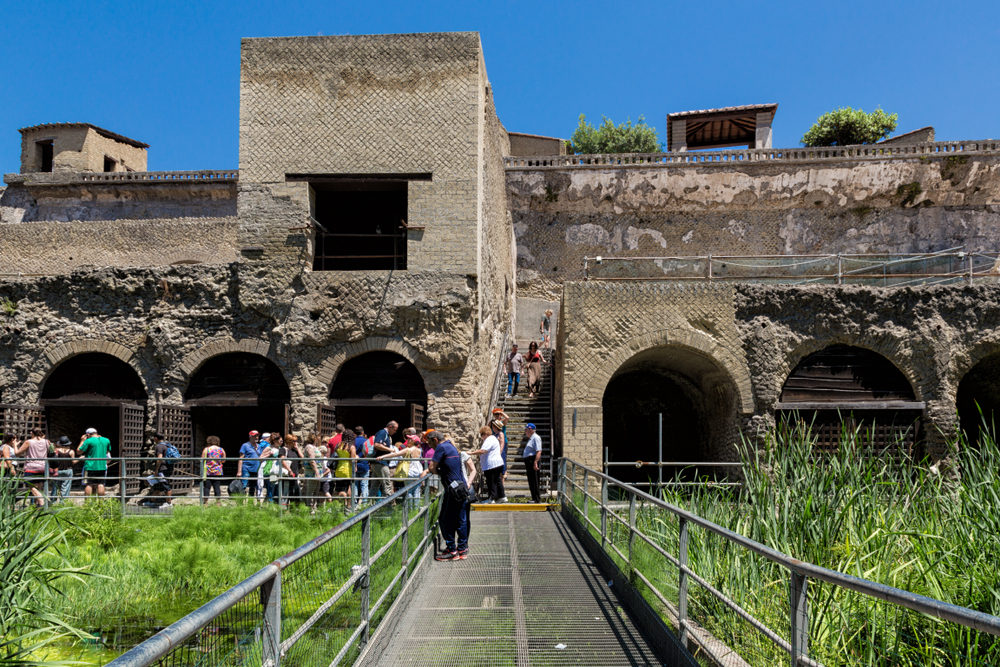
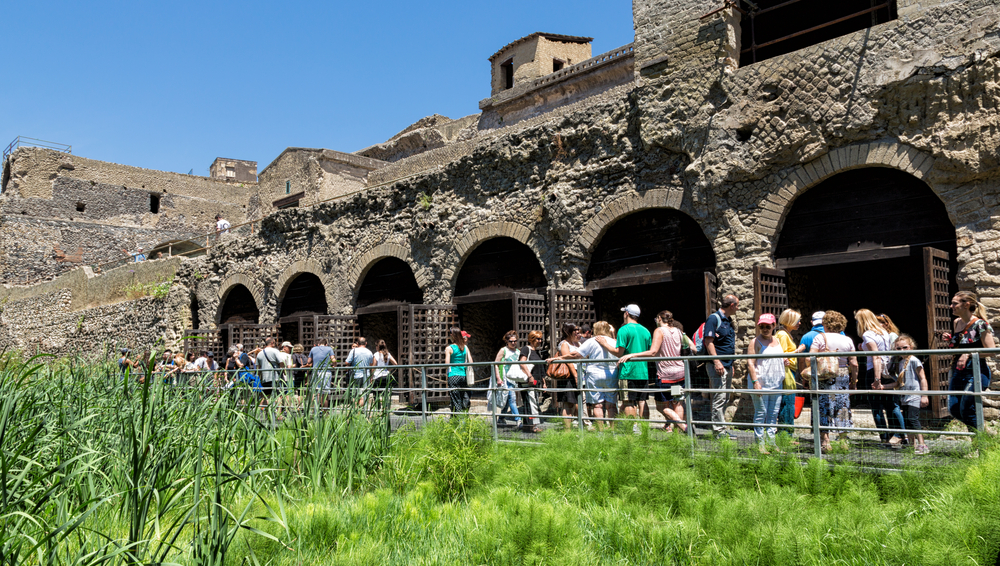
Preserved houses and boat sheds at Herculaneum

Herculaneum Highlights

Herculaneum packs a lot into a small space. Highlights include the wooden Trellis House, the elegant House of the Stags, and the well-preserved bath houses, plus a row of ancient boat sheds where many skeletons were found. Because deeper ash sealed the town, upper floors, staircases, and timber details survived here in a way they simply did not at Pompeii. It is smaller and quieter, but the level of preservation makes every building feel surprisingly close to daily Roman life.

What Makes Each Site Special

The two sites tell the same story in different ways. Pompeii shows the size and energy of a busy Roman town, from its public squares to its bakeries and brothels. Herculaneum, a wealthier seaside settlement, shows how Romans lived indoors, with painted rooms, mosaics, and furniture that rarely survives. Seen together, they give a fuller picture than either can alone. That is why many visitors with a free day choose the combo ticket and spread the two sites across a relaxed trip rather than a rushed afternoon.

Pompeii

Pompeii is a sprawling city frozen mid-life, famous around the world. You can spend hours wandering its streets, forum, theatres, and grand houses. Its scale and big-name landmarks make it the classic choice, and the one most travelers picture when they think of the ruins.

Herculaneum

Herculaneum is a smaller, wealthier seaside town with rare survivals. Because deeper ash sealed it, wooden beams, upper floors, and even furniture remain in place. It is quieter and easier to cover in a morning, and its fine detail brings everyday Roman life surprisingly close.

Both

If you have a free day, the combo ticket is the best value. It costs from around €45, covers both Pompeii and Herculaneum, and stays valid for 48 hours. That lets you split the two sites across a relaxed trip instead of rushing them in one afternoon.

Tips for Visiting Both

Do them on separate days

Do them on separate days

Both sites deserve fresh legs, so try not to cram them into a single day. If your trip allows, visit one in the morning and save the other for another day. You will enjoy each more, take better photos, and skip the tired, footsore rush that spoils a packed afternoon.

Start early

Start early

Arrive close to opening time to stay ahead of the crowds and the midday heat. Large tour groups tend to roll in from late morning, especially at Pompeii, and the open ruins offer little shade by afternoon. An early start means cooler temperatures, quieter lanes, and clearer photos of the main sights.

Use the combo ticket

Use the combo ticket

If you plan to see both, the combo ticket is the smart buy. From about €45 it covers Pompeii and Herculaneum and stays valid for 48 hours, so you do not have to visit them on the same day. It saves money over two separate tickets and keeps your plans flexible.
Getting to Each Site from Naples

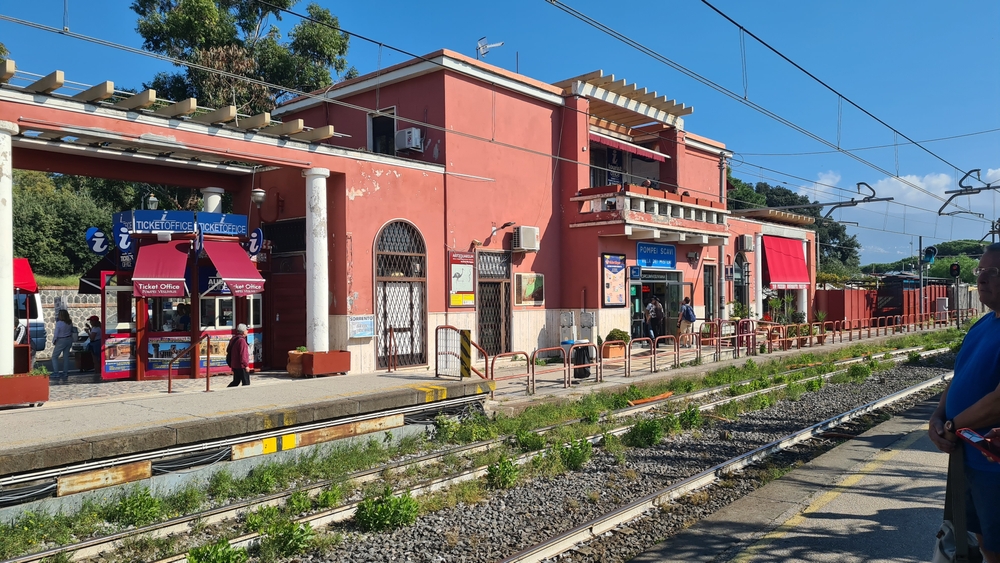
Circumvesuviana train to Pompeii

From Naples to Pompeii

Take the Circumvesuviana from Naples toward Sorrento and get off at Pompei Scavi–Villa dei Misteri. The ride takes about 35 minutes, and the Porta Marina entrance is a 5-minute walk from the station. Trains run frequently throughout the day. Buy your site ticket in advance; it saves you from the queue at the gate.

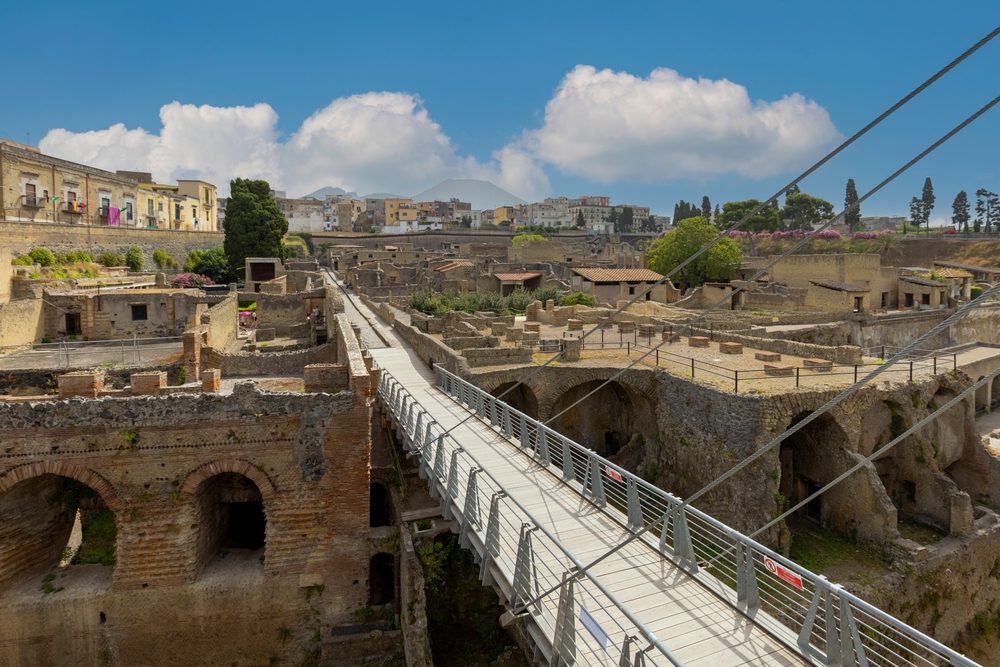
Path to the Herculaneum entrance

From Naples to Herculaneum

To reach Herculaneum, take the Circumvesuviana train from Naples to Ercolano Scavi (a 20-minute ride). From the station, follow the clear signs for an easy 10-minute downhill walk straight to the archaeological site entrance. Conveniently, you can use the same combination ticket to gain entry to both Pompeii and Herculaneum.

Pompeii vs Herculaneum — FAQs

Pompeii or Herculaneum?

Neither is simply better. Pompeii is bigger and more famous; Herculaneum is smaller, quieter, and better preserved. With a free day, see both.

Can you visit both in one day?

Yes, but it is a lot. Many people do it with the combo ticket. For a relaxed pace, split them across two days.

How much is the combo ticket?

About €45, valid for 48 hours, which saves money compared with buying separate Pompeii and Herculaneum tickets.

Is Herculaneum worth visiting?

Yes. It is smaller but remarkably preserved, with wooden beams, upper floors, and even food that did not survive at Pompeii.

Which site is less crowded?

Herculaneum, by far. It sees a few thousand visitors a day, while Pompeii can see tens of thousands in peak season.

How far apart are they?

About 15 minutes apart on the Circumvesuviana line, so pairing them on one trip is easy.